
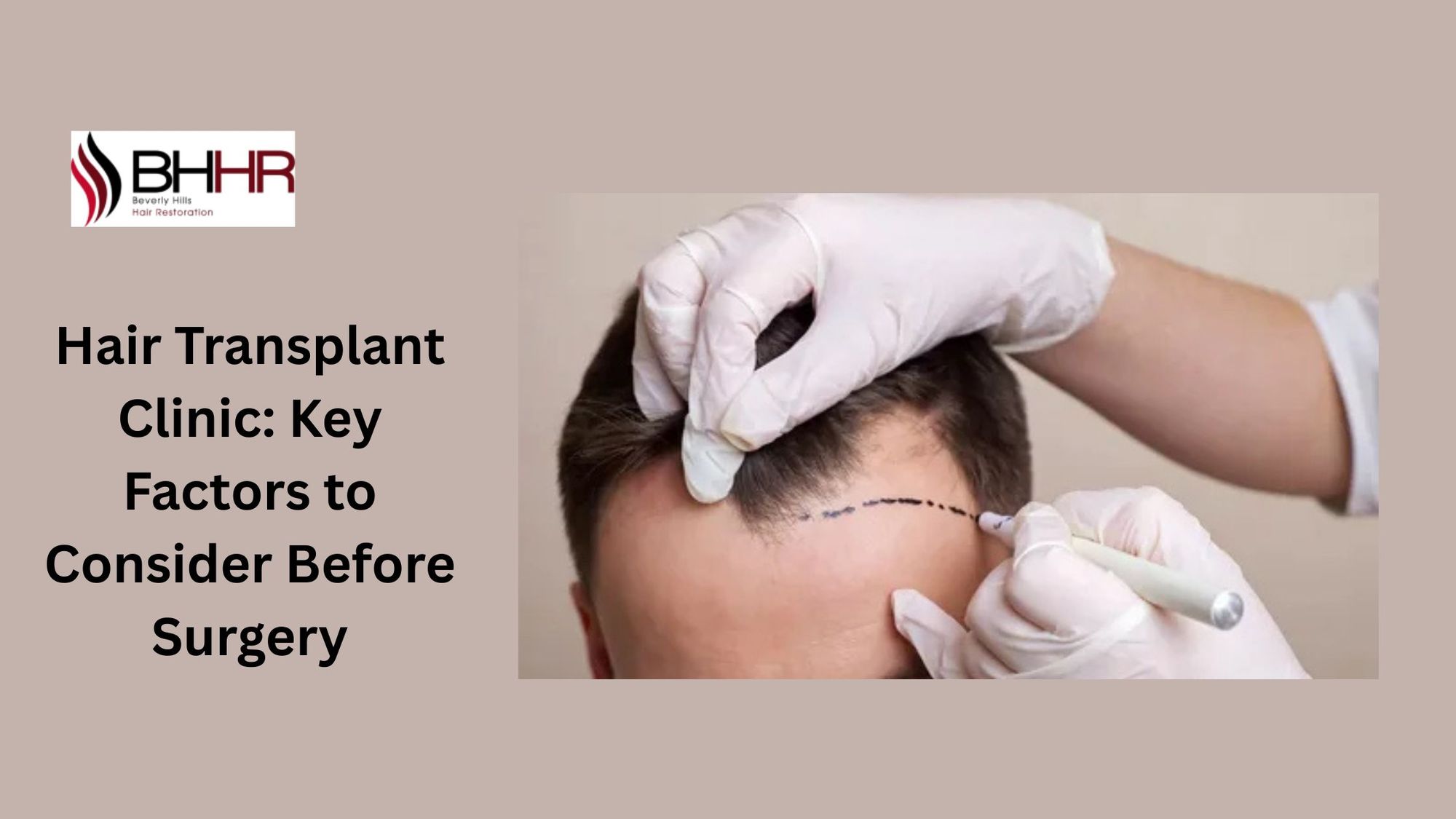
Hair loss is a common concern for both men and women, affecting confidence and overall appearance. As a result, many people today explore modern hair restoration treatments to regain natural-looking hair. One of the most effective solutions available is a hair transplant procedure. However, achieving successful and natural results depends greatly on selecting the right hair transplant clinic
Before undergoing surgery, it is important to understand several factors that can influence the quality, safety, and long-term outcome of the procedure. From the experience of the surgeon to the technology used during treatment, every detail plays a role in ensuring a smooth and successful method.
Patients who take the time to research and evaluate their options are more likely to achieve satisfying results. By learning what to look for before surgery, individuals can make informed decisions about their treatment and feel more confident throughout the hair restoration journey. Understanding the main key factors involved can help ensure that the process is safe, effective, and tailored to individual needs.
Understanding Modern Hair Transplant Procedures
Hair transplant procedures have advanced significantly over the years, offering natural and long-lasting results for individuals experiencing hair thinning or baldness. Modern techniques focus on relocating healthy hair follicles from areas of dense growth to areas affected by hair loss. Once transplanted, these follicles continue to grow naturally, helping patients restore fuller hair over time.
There are different approaches used in hair restoration, and each technique is designed to provide minimal scarring and natural hair patterns. Skilled surgeons carefully place each follicle to ensure the new hair blends seamlessly with the patient’s existing hairline.
A professional clinic also evaluates the patient’s hair type, scalp condition, and pattern of hair loss before recommending the most suitable treatment method. This personalized approach allows the procedure to produce results that look natural and balanced.
Patients who understand how the procedure works are better prepared for the treatment and recovery process. Learning about modern techniques can also help individuals feel more confident when choosing a clinic for their hair restoration journey.
Experience and Qualifications of the Surgeon
One of the most important factors to consider before surgery is the experience and qualifications of the surgeon performing the procedure. Hair transplantation requires precision, skill, and a deep understanding of hair growth patterns. A qualified specialist can design a natural-looking hairline and ensure that each follicle is placed correctly.
Experienced surgeons have often performed numerous procedures and understand how to handle different categories of hair damage. Their expertise helps minimize threats while improving the overall success of the treatment. Patients should look for professionals who specialize in hair restoration and have a strong reputation for delivering consistent results.
Consultations are also an opportunity to learn more about the surgeon’s background, training, and approach to treatment. A knowledgeable professional will take time to evaluate the patient’s condition, explain available options, and answer questions about the procedure.
Choosing a skilled surgeon ensures that the occupational plan is tailored to the patient’s needs and that the results appear natural over the long term.
Technology and Advanced Hair Restoration Methods
Modern hair restoration relies heavily on advanced technology and innovative treatment methods. Clinics that invest in modern equipment can often provide more precise and comfortable procedures for patients.
Advanced tools allow surgeons to extract and implant hair follicles with greater accuracy. This level of precision helps maintain the health of each follicle while reducing the risk of damage during the process. Improved technology also contributes to shorter recovery times and more consistent outcomes.
In addition, modern methods focus on creating natural hair density and realistic hairlines. Skilled professionals combine technical expertise with artistic judgment to achieve balanced and aesthetically pleasing results.
Patients considering hair restoration should research the techniques and equipment used by different clinics. Facilities that stay updated with modern advancements are better equipped to deliver high-quality results while maintaining patient safety and comfort throughout the treatment method.
Consultation and Customized Treatment Plans
A detailed consultation is a critical step before undergoing any hair restoration procedure. During this stage, specialists evaluate the patient’s hair loss pattern, scalp health, and overall goals for treatment. This information helps determine whether the patient is a suitable candidate for the procedure.
Every individual experiences hair loss differently, which means treatment plans should be personalized. A thorough consultation allows the medical team to design a strategy that matches the patient’s expectations and long-term hair growth potential.
Specialists also use this opportunity to explain the procedure, discuss possible outcomes, and address any concerns. Clear communication between the patient and the clinic helps build trust and always ensures that both sides share the same expectations.
A customized treatment plan improves the chances of achieving natural-looking results while making the entire process more comfortable and predictable for the patient.
Safety, Hygiene, and Patient Care Standards
Safety should always be a top priority when considering hair restoration surgery. A professional clinic follows strict hygiene and medical standards to ensure that every process is performed in a safe and sterile environment.
Proper sterilization of equipment and clean treatment areas help prevent infections and other complications. Clinics with well-trained medical staff also provide better monitoring and support throughout the procedure.
In addition to surgical safety, patient care is equally important. From the starting consultation to post-treatment follow-up, a reputable clinic focuses on patient comfort and well-being. Clear instructions, ongoing support, and professional guidance can significantly improve the overall experience.
When researching treatment options, patients should consider the clinic’s safety protocols, cleanliness, and quality of patient care. These factors contribute to a smoother procedure and a more positive recovery process.
Choosing a Trusted Clinic in Palm Desert
Selecting a reliable provider is one of the most important decisions for individuals considering hair restoration. Patients should look for clinics that combine experienced professionals, advanced technology, and personalized treatment plans.
For individuals seeking professional care in the region, BHHR in Palm Desert offers modern hair restoration treatments designed to help patients achieve natural-looking results. Experienced specialists focus on understanding each patient’s unique hair loss pattern and developing solutions tailored to their goals.
Professional clinics emphasize detailed consultations, advanced treatment methods, and ongoing patient support throughout the process. This comprehensive approach helps ensure that individuals feel confident and informed before making decisions about their procedure.
Choosing a trusted provider allows patients to move forward with their treatment knowing they are receiving care from professionals dedicated to safe and effective hair restoration.
Recovery and Long-Term Hair Growth Expectations
Recovery is an important part of the hair transplant process. After the procedure, patients typically receive detailed aftercare instructions to protect the transplanted follicles and support healthy hair growth.
In the first few days, mild swelling or redness may occur, but these effects usually subside quickly. Patients are often advised to avoid strenuous activities and follow specific guidelines to ensure proper healing.
Hair growth occurs gradually over several months. Initially, the transplanted hair may shed before new growth begins. This is a normal part of the procedure as the follicles adjust to their new location. Over time, the hair becomes thicker and blends naturally with the surrounding hair.
Patience is essential during the recovery phase, as full results may take several months to appear. With proper care and guidance from experienced professionals, patients can enjoy long-lasting improvements in hair density and overall appearance.
Conclusion
Hair transplantation surgery can be a life-changing solution for individuals struggling with hair loss. However, the success of the procedure depends greatly on careful planning and selecting the right professionals for the job. Choosing the right hair transplant clinic involves evaluating the surgeon’s experience, the technology used during treatment, and the level of patient care provided.
A detailed consultation, personalized treatment plan, and strict safety standards all contribute to achieving natural and long-lasting results. Patients who take the time to research their options and understand the process are more likely to feel confident about their decision.
By focusing on these key factors before surgery, individuals can move forward with their treatment knowing they have chosen a reliable clinic that prioritizes quality, safety, and patient satisfaction.